
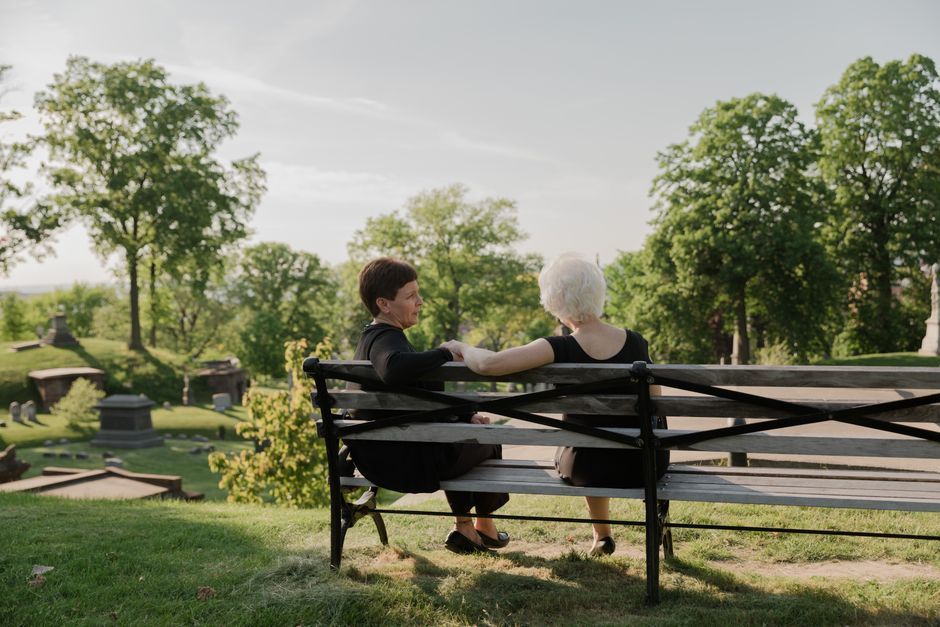
Supporting Grieving Children: Age-Appropriate Ways to Include Kids in Remembrance

Probst Family Funeral Homes Staff • October 28, 2026

When a family loses someone they love, children are mourning too — even when they may not have the words to say so. Deciding how much to involve a child in a memorial service is one of the most tender decisions a parent or caregiver faces in an already difficult time. There is no single right answer, and there is no need to rush toward one. What matters most is that children feel seen, safe, and gently included in a way that matches who they are.

Why Including Children Can Help

For a long time, it was common to shield children from death and funerals out of a desire to protect them. Research in childhood bereavement has gradually shifted that thinking. When children are excluded from rituals of remembrance, they may be left with more confusion and fear than if they had been thoughtfully welcomed in. Participating — even in a small way — can help a child begin to understand what has happened and feel connected to the family's shared grief.

Including children does not mean placing adult emotional weight on young shoulders. It means creating a space where they belong.

Understanding Children by Developmental Stage

Very Young Children (Ages 2–4)

Toddlers and preschoolers do not yet understand the permanence of death, and that is normal. They are sensitive to the emotions of the adults around them. Simple, honest language — "Grandma died, and that means we won't see her anymore, and we are very sad" — is more reassuring than vague phrases that may confuse them. At a service, a familiar caregiver nearby and a quiet space available for breaks can make the experience manageable.

Early School Age (Ages 5–8)

Children in this stage are beginning to understand that death is permanent. They may ask very direct questions, or they may seem to move between sadness and play in ways that can surprise adults — both responses are healthy. A child this age may find it meaningful to draw a picture, bring a small item to place near flowers, or help pass out a keepsake. Having something to do often brings comfort.

Preteens (Ages 9–12)

Older children often want to be treated with a degree of respect for their maturity. They may want to know what to expect at the service before they arrive. Walk them through what the space will look like, who will be there, and what will happen. Offer them a choice about participating — reading a short passage, lighting a candle, or simply standing with the family — and honor whatever they decide.

Teenagers

Adolescents may want more involvement than younger children, or they may need to grieve more privately. Follow their lead. Some teenagers find real comfort in delivering a tribute, creating a photo display, or helping coordinate music. Others may need permission to step outside when emotions feel overwhelming. Respecting that grief does not look the same for everyone — including teens — helps them feel trusted rather than managed.

Practical Ways to Welcome Children at a Service

  • Prepare them beforehand. Tell children honestly and simply what to expect — the room, the people, the atmosphere. Surprises can heighten anxiety.
  • Assign a trusted adult. Designate someone whose only role is to stay close to the child, answer questions quietly, and help them take a break if needed.
  • Offer gentle roles. Children can hand out memorial programs, place flowers, release a butterfly, or bring a drawing to leave with the person who died.
  • Create a quiet corner. A small area with paper, crayons, or a book can give younger children a way to regulate their emotions during longer portions of a service.
  • Give them permission to feel anything. Let children know it is okay to cry, to laugh at a memory, or to feel nothing at all right now.

After the Service: Keeping the Conversation Open

A memorial service is a beginning, not an endpoint, in a child's experience of grief. In the days and weeks that follow, simple rituals can help — looking at photographs together, telling stories about the person who died, or marking a birthday or anniversary with a small acknowledgment. Children often process loss gradually and may return to questions and feelings long after adults expect.

Grief does not follow a calendar, and neither does a child's understanding. The most helpful thing a caring adult can offer is continued presence and honesty over time.

How Families Are Supported at Probst

At Probst Family & Heber Valley Funerals, care for the whole family — including its youngest members — is part of how every service is thoughtfully approached. Families are welcome to share the needs of their children when planning, and staff are attentive to creating an environment where children feel safe and gently included. If you have questions about how to make a service welcoming for children of any age, the team is ready to listen and help.

Photo by Anna Shvets on Pexels.

By Probst Family Funeral Homes Staff • October 21, 2026
A plain-language guide to burial and final disposition options, from ground burial to cremation and green burial, for families navigating difficult decisions.
By Probst Family Funeral Homes Staff • October 14, 2026
Explore personalized tribute ideas that go beyond the traditional service, and learn how attentive, one-on-one planning can help honor a life with care.
By Probst Family Funeral Homes Staff • October 7, 2026
Not sure what to do with cremated remains? Explore your options — from home urns to scattering to burial — with no pressure and no rush.
By Probst Family Funeral Homes Staff • September 30, 2026
Discover how advance funeral planning can bring peace of mind, protect loved ones, and ensure your wishes are honored — at your own pace.

By Probst Family Funeral Homes Staff • September 23, 2026
Learn what to expect when planning a memorial service — from choosing a format to personalizing the details — with calm, unhurried guidance for grieving familie
July 31, 2025
This is a subtitle for your new post